
White Wolves on the Hunt for Glory: How Uzbekistan Finally Qualified for their First World Cup
By Sam Bales
X - @samonsport
Substack – www.samonsport.substack.com
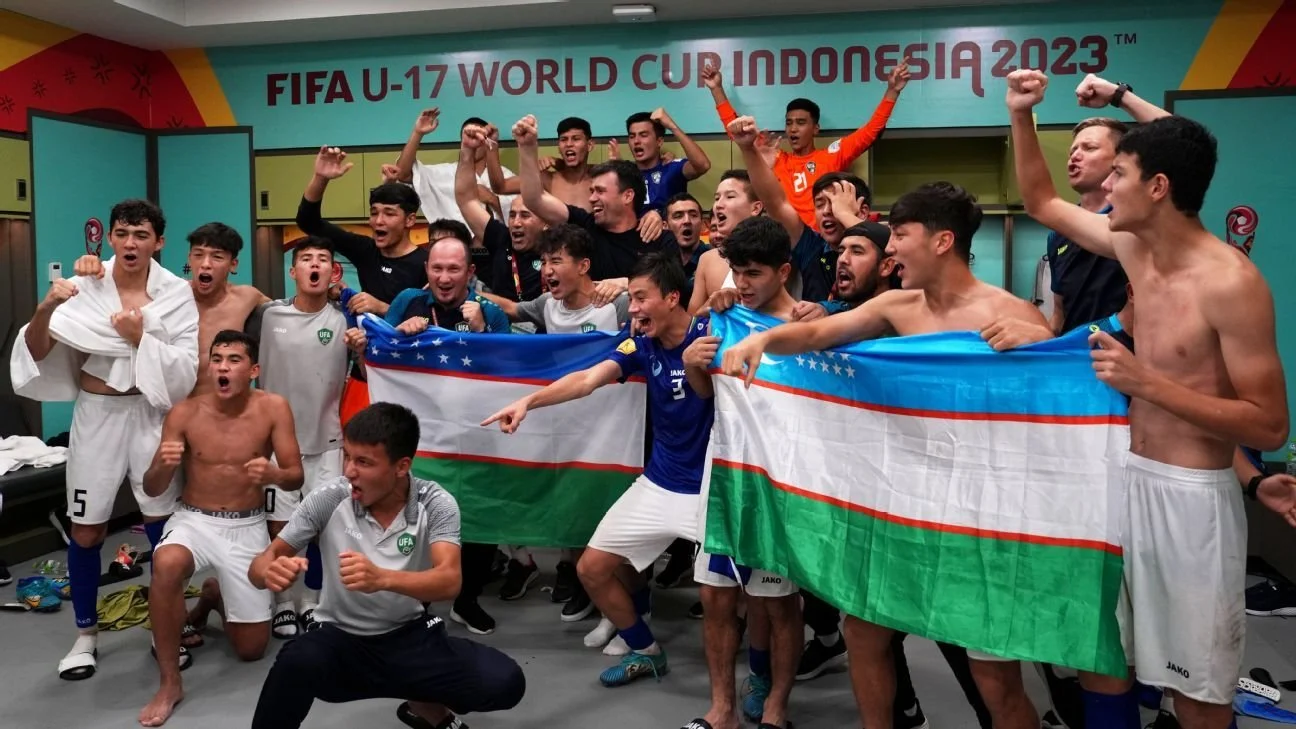
Bedlam ensued as the bench emptied out onto the pitch. Fans in the stands waved flags and hugged those around them. Many players bounced around, adrenalin surging through their bodies while others collapsed to their knees in tears, unable to comprehend what they had achieved.
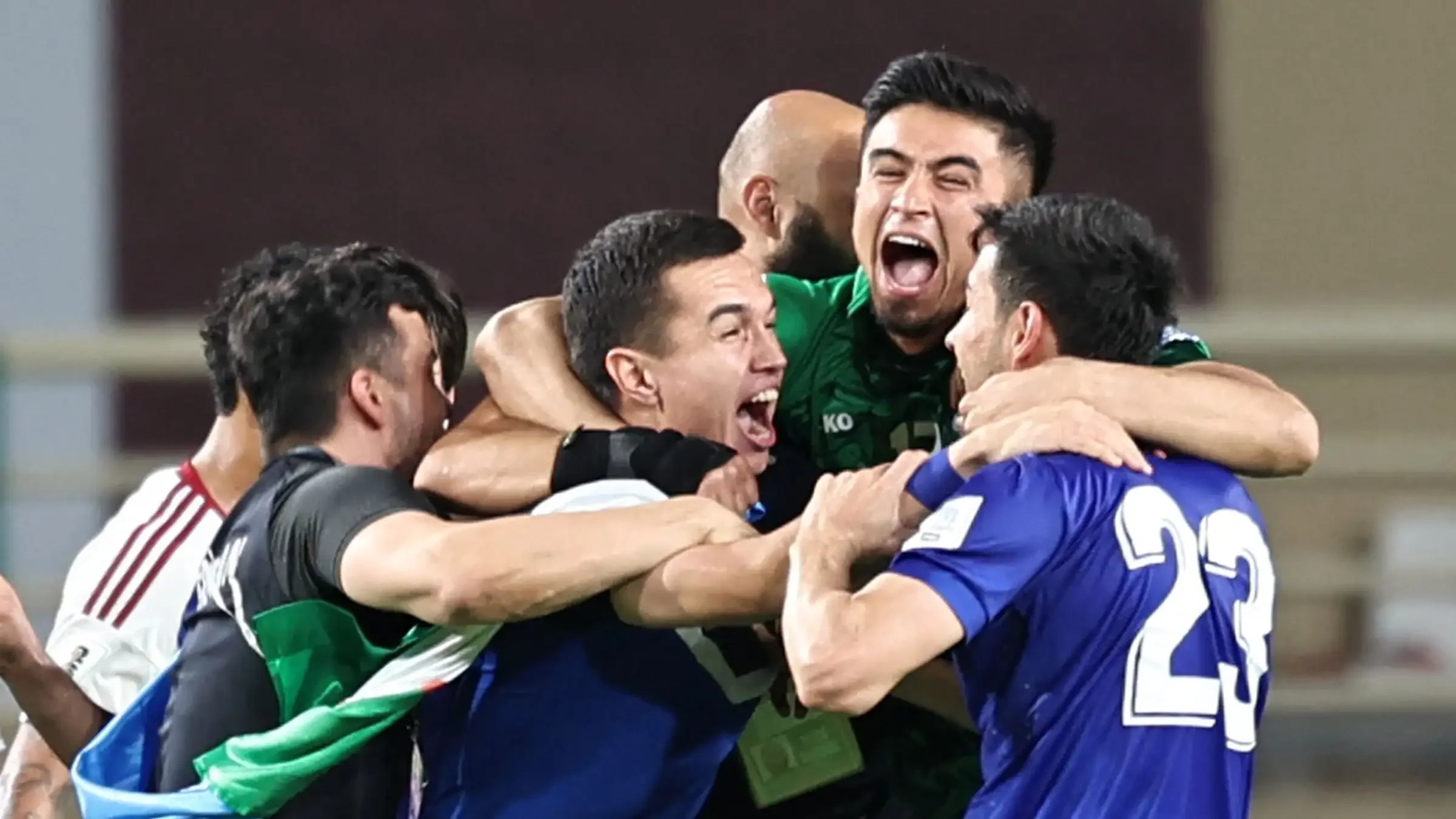
These were the scenes in Abu Dhabi on 5th June 2025 as Uzbekistan finally qualified for their first World Cup after a 0-0 draw with their hosts, the United Arab Emirates. They had been close before but had always fallen short. This time they did not. It has not been an overnight success though. Rather, it has been built on years of development and preparation.
Although matches are believed to have first been played in Kokand in Uzbekistan dating back to around 1912, the country only actually became a sovereign nation in 1991 following the dissolution of the Soviet Union. Whilst Uzbek teams had never been a dominant force in the Soviet league system, the national team did reach the final of the 1986 Spartakiad of Peoples of the USSR tournament. Some players of Uzbek descent did also break through into the Soviet first team.
There could have been many more Uzbek caps were it not for the Dniprozerzhynsk air disaster of 1979 where 17 players and staff of FC Pakhtakor died in a mid-air plane collision on their way from Tashkent to play a game in Belarus. Included within the victims was the midfielder Mikhail An who had captained the Soviet youth team and had already debuted at senior level. There were also a number of talented coaches on board.
Come 1991 though, Uzbekistan were given independence from the crumbling Soviet empire although like many other newly independent nations they may not have been ready for this which led to economic decline and a failing GDP. Surrounded by this uncertainty, they played their first international match in June 1992 against Tajikistan although they were also officially still a part of the CIS team that participated in the European Championships that year. The Uzbekistan FA was not officially reformed until 1994 when they joined FIFA and the Asian Football Confederation (AFC).
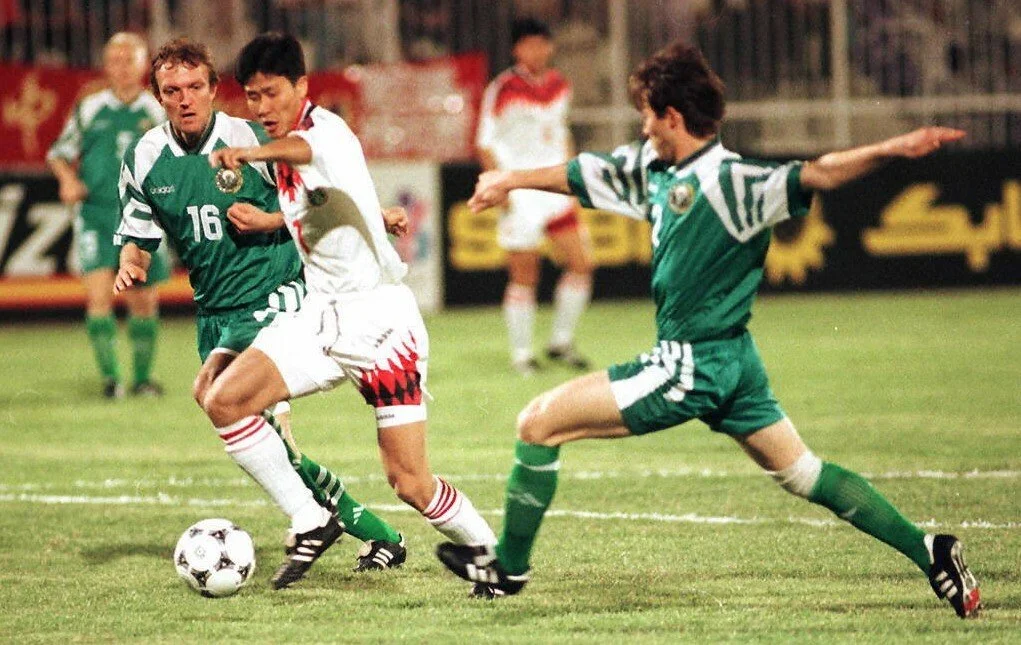
vs Tajikistan, 1996
Given their fledgling status and lack of competitive matches, not much could have been expected from Uzbekistan early on. However, they surpassed all expectations when they won the football tournament at the 1994 Asian Games, beating the likes of Saudi Arabia, South Korea and China along the way. Forward Igor Shkvyrin was arguably the star of the team, scoring 8 goals across 7 games at the tournament.
Those Asian Games may have been hailed as something of a miracle, but success was short-lived. During their games throughout 1995 and 1996, they lost all but two. Uzbekistan rallied slightly during the first qualification stage for the 1998 World Cup where they won 5 and drew 1 in a group that also contained Yemen, Indonesia and Cambodia. However, when the quality of opposition increased in the second group stage they fell short, finishing fourth in their group behind South Korea, Japan and the UAE. This was then followed by a woeful performance at the 2000 Asian Cup where they drew one and lost the other two of their matches.
Rather than just accepting their place however, the Uzbek authorities realised that investment and an overhaul were needed in order to improve performances. A focus was placed on football at the grassroots level and improving the infrastructure of the whole system from youth level up. There was early improvement as in 2002, the Uzbekistan Under-19 team reached the semi-finals of the AFC Youth Championship and in 2003, Uzbekistan qualified for the FIFA World Youth Cup for the first time.
Further progress was made after Vadim Shadimatov was appointed the Head of Youth Development in 2004. More funding was provided, academies were strengthened and more opportunities were created for youngsters to train and play competitively. Shadimatov also helped in the introduction of AFC licensed coaching programs into Uzbekistan. It was seen that better coaching would lead to better transitions from youth to senior level. This would ensure that time spent developing youth products would be more worthwhile and would help the Uzbek league and the national team over time.
Development continued under the guidance of Ravshan Irmatov, a former referee who holds the record of the most World Cup matches officiated (11) who then went on to become the Vice President of the Uzbekistan FA and later the Deputy Minister for Sport and the Deputy Chair of the National Olympic Committee. Irmatov kept the progress of football as a priority and continued to work towards improved facilities and standards.

Irmatove refereed perhaps the worst game of football we’ve ever seen - England 0-0 Algeria, 2010!
The success of all this work can be seen in the creation of FK Olympic in Tashkent which is a football club that essentially acts as a year-round training camp for the Uzbekistan Under-23 (U-23) squad but also plays within the national league at the same time. Formed in 2021, the club reached the Uzbek top division in 2022 and then went on to consolidate their position, finishing 6th and 9th over the next two seasons.
Many players from FK Olympic, and indeed the whole coaching squad, were heavily involved as Uzbekistan became finalists at the U-23 Asian Cup in 2024. The fact that the players were all used to playing together and receiving guidance from the same coaches was of great benefit to them. The team went on to beat Asian big hitters Saudi Arabia 2-0 in the quarter-final before dominating Indonesia in the semi-final. Despite losing the final to Japan, the goal of the tournament of achieving qualification for the Olympic Games for the first time had been completed, showing that the investment was paying off.
This is by no means the only success that the national youth teams of Uzbekistan have seen though. Over the past 20 years of the Asian Cup at U-16, U-20, U-23 and senior level, Uzbekistan have a 90% qualification rate. In 2010 they reached the final of the AFC U-16 tournament and achieved qualification for the U-17 World Cup. Two years later, they won the AFC U-16s which gave the youngsters a taste of victory.
In 2018, Uzbekistan won the U-23 Asian Cup, scoring four goals against each of Japan and South Korea in the process. They were runners up in the same competition on home soil in 2022 before repeating the feat in 2024, as mentioned above. The U-20 team won their version of the Asian Cup, again at home, in 2023, and reached the Last 16 stage of the U-20 World Cup in the same year. All of this serves to provide players with big match experience as well as exposing them to tournament football and learning the benefits of being part of a team.
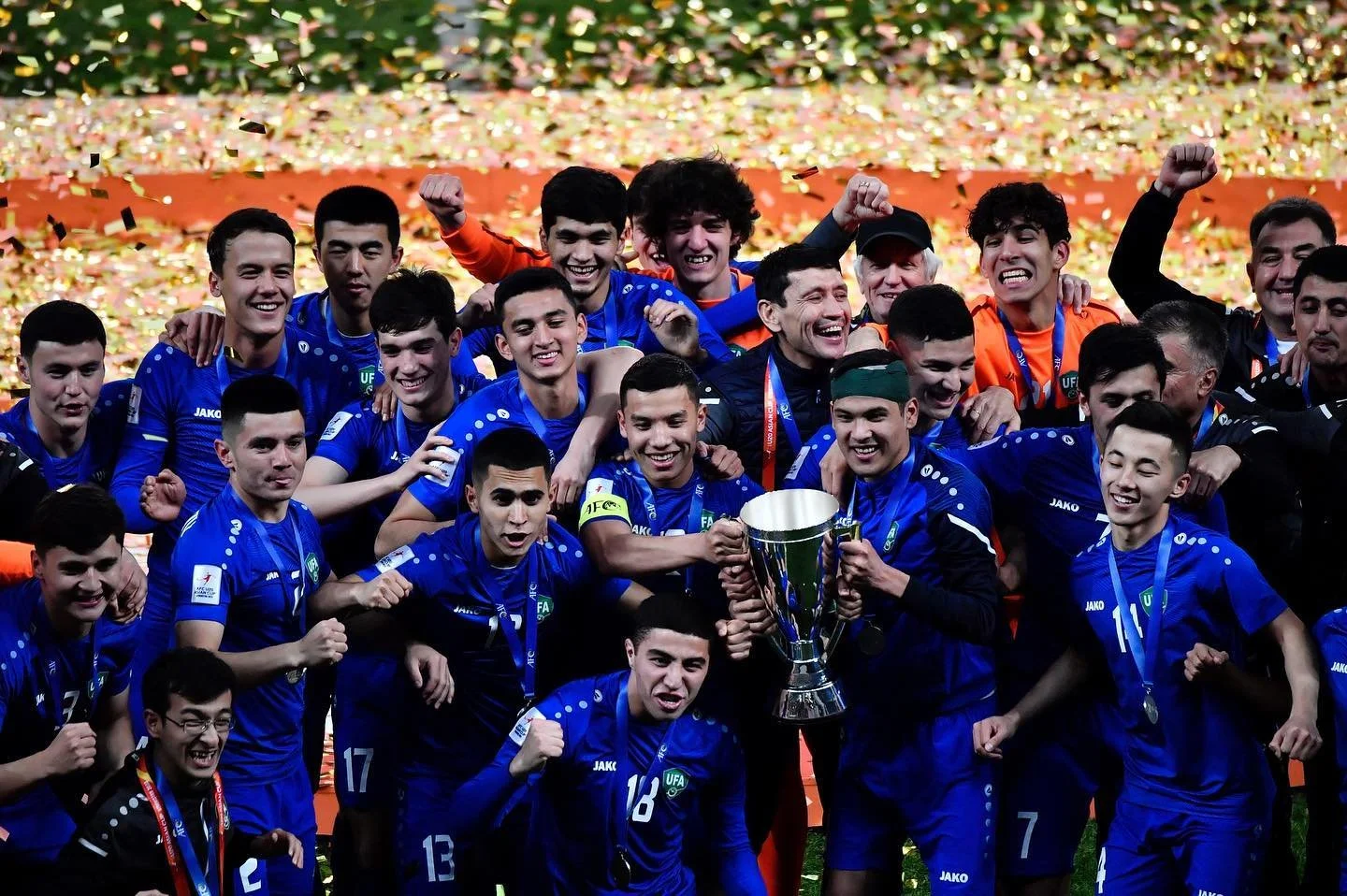
U-20 Asian Champions
It can now be said that Uzbekistan have the best developmental system and infrastructure in the whole of Central Asia which has contributed to the above success and also the emergence of better players. Abdukodir Khusanov was part of the U-20 and U-23 successes and joined Manchester City from Lens in January 2025. Another product of these squads is the exciting Abbosbek Fayzullaev who plied his trade at CSKA Moscow before moving to Turkey with Istanbul Basaksehir. Another youngster, Mukhammadali Urinboev joined the books of Brentford and is now out on loan at Royal Antwerp in Belgium.
The fact that the Turkish Superlig and the English Premier League are now possible outlets for young Uzbek players is a huge compliment to how successful the building of the system has been. These links must now be strengthened further as the top fee out of the Uzbek league still stands at only €2 million. Some clubs, such as Surkhan and of course the aforementioned FK Olympic, have tried to improve their focus on youth, but it has traditionally been seen as difficult for youngsters to break through at a club level.
This has meant that really talented players have looked for moves away at a young age. Take as an example the striker Eldor Shomurodov who was probably Uzbekistan’s most well-known export before Khusanov. He went through the academy at an Uzbek club and played in the league for a few years, but by the age of 22, he moved to Russia before going on to star for Genoa and AS Roma amongst others.
There have been successes for Uzbek clubs in the Asian Champions League; Bunyodkor reached the semi-final in 2012 and the Last 16 in 2013 and 2014, Lokomotiv Tashkent reached the quarter-final in 2016 and two other clubs reached the knockout stages in 2024. However, if more young stars were transitioned to first team football more effectively, it would bring more exposure to the domestic league with the national team doing well, and also perhaps increase chances in continental club competitions further.
One place where the transition from youth level to senior level has been truly successful though is in the national setup. Much of the squad that has just qualified for next year’s World Cup are graduates of the U-23 teams who saw success in 2018 and 2024. This familiarity makes a team stronger and is something that many international managers spend years trying to foster within their squads.
Reaching the World Cup on this occasion is by no means the only time that Uzbekistan have been close to achieving their ultimate goal though. They have suffered heartbreak at the AFC playoff stage in two previous campaigns, both in somewhat controversial circumstances.
During qualification for the 2006 World Cup, Uzbekistan had to play Bahrain over two legs to see who would go through to an intercontinental playoff for a final opportunity to reach the finals. During the first leg at home, Uzbekistan went 1-0 up and then had a great chance to double their lead when the referee awarded them a penalty. The spot kick was converted by Server Djeparov but was then overturned due to encroachment by an Uzbek player. Unbelievably though, rather than asking for a retake, which is within the rules of the game, the Japanese referee awarded Bahrain a free kick and ordered that the game continue. The final score remained 1-0 but Uzbekistan were understandably furious.
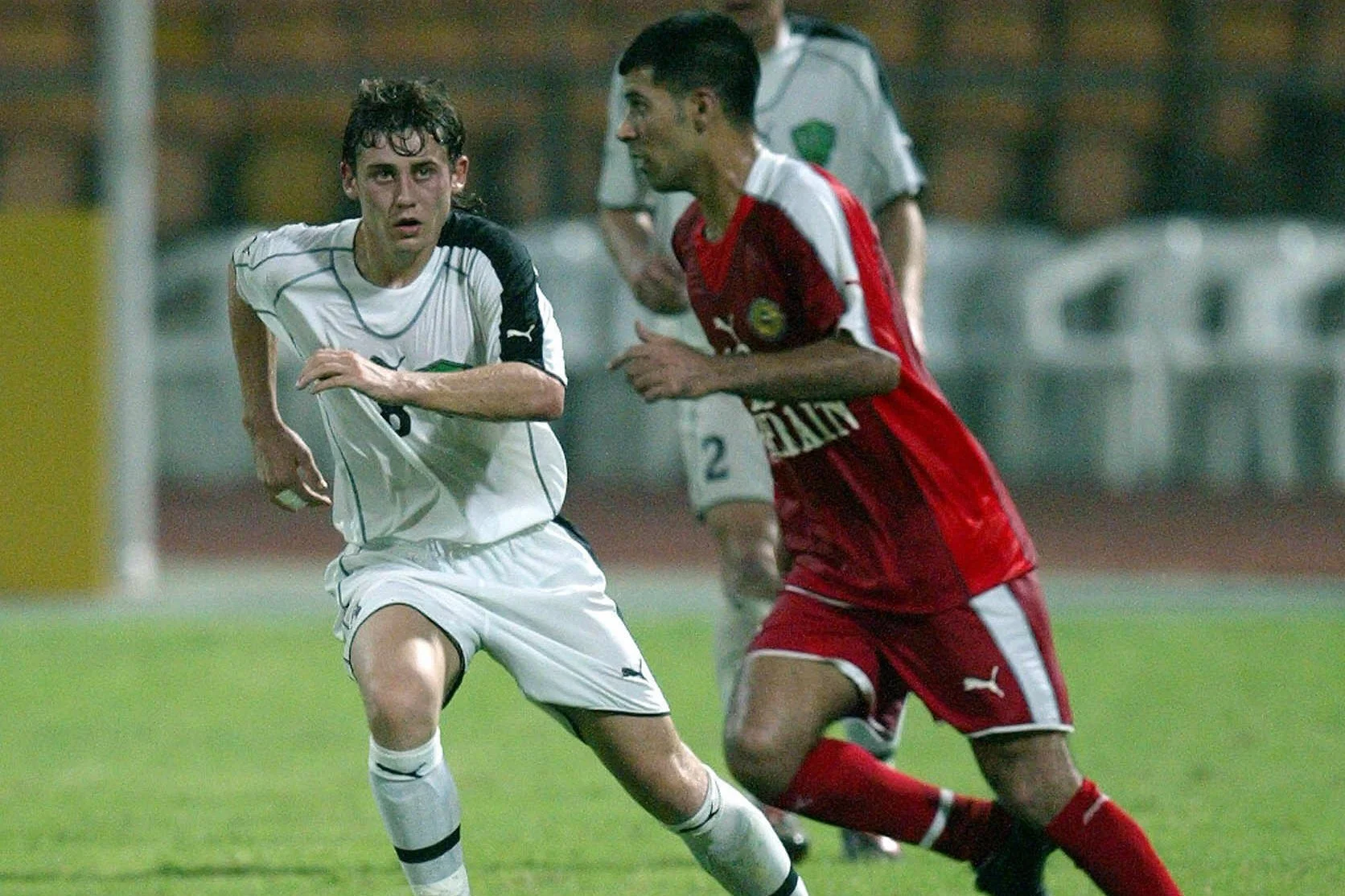
Heartbreak in 2005
An appeal was made to FIFA, Uzbekistan looking to be awarded a 3-0 victory due to the error, but their case was rejected and then, to compound matters further, the governing body deemed that the match should be replayed, negating the 1-0 victory that Uzbekistan had worked so hard for. The replayed match finished 1-1, with Bahrain scoring a vital away goal through Talal Yusuf Mohamed that they hadn’t previously earned. This meant that when the second leg in Bahrain finished goalless, Uzbekistan were eliminated on the away goals rule. Their wait for a first World Cup appearance would go on.
In 2013 they suffered playoff heartache once more. As the group qualifying stages were coming to an end, Uzbekistan were in one of the automatic qualification spots but then Iran unexpectedly defeated South Korea to leapfrog them, and despite beating Qatar 5-1 in their final match, they couldn’t overcome their inferior goal difference to the Korean side which meant that that they missed out. Uzbekistan would be forced to face a playoff once more.
This time their opponents would be Jordan, with Uruguay awaiting the winner in the intercontinental playoff for the final World Cup place. This time the first leg went well with Uzbekistan securing a 1-1 draw in Jordan, Djeparov equalising just five minutes after Al Lahham had given Jordan the lead, assuring they got the away goal that went against them on the previous occasion. They also took an early 1-0 lead through Anzur Ismailov at home in Tashkent in the second leg and with the crowd firmly behind them they were well on top.
However, Jordan equalised just before half-time through a 30-yard stunner from Saeed Al Murjan which silenced the crowd and sucked the life out of the Uzbek players. They rallied in the second half and created chances but Jordan held out to force the match into extra time. Ten minutes into the added period, fate went against Uzbekistan once more as a floodlight failure caused the match to be suspended for 18 minutes, again destroying any momentum that they had. Upon resumption of the match, neither side could find a winner and the tie would be decided by the lottery of a penalty shootout.
Jordan’s Anas Bani Yaseen coolly converted the first penalty before Odil Ahmedov buckled under the pressure and hit the post for the hosts. The penalties were then all scored until Ahmad Hayel stepped up to take Jordan’s last kick. If he scored, they would progress. However, with a rush of energy, he smashed the ball wide, opening up the opportunity once again for Uzbekistan. Igor Sergeyev didn’t need to be asked twice and converted to force sudden death. The next nine penalties were all converted. The goalscorer in regular time, Anzur Ismailov then stepped up to try and keep the contest going. Unfortunately his kick was weak, and straight at the goalkeeper who saved it easily before running off to embrace his teammates. Once again, the White Wolves narrowly missed out.
In qualification for the 2018 tournament, Uzbekistan missed out on the playoff on goal difference to Syria whilst for 2022 they missed the third round of qualifying entirely after not being one of the best runners-up in the previous stage. This time however, all of their hard work, preparation and development has finally paid off.
During the 2026 qualification campaign, six members of the 2024 U-23 Asian Cup finalist team have been used in the squad, including the aforementioned Khusanov and Fayzullaev. There have also been a number of players used from the 2018 U-23 winning team. These ties have formed the basis of a strong team who know that they can rely upon each other when it really matters.
Uzbekistan flew through the second qualifying round (the first stage which they were required to play) going unbeaten in a group which included Iran. They drew both at home and away against the traditional Asian heavyweights. They only conceded 4 goals over their six matches whilst scoring 13.
History-makers!
This will have given them confidence when the draw for the decisive third round put them up against Iran again, along with the UAE, Qatar, Kyrgyzstan and North Korea. Uzbekistan started strongly with three victories and another draw with Iran before they were brought back down to Earth with a 3-2 defeat in Qatar. It didn’t look like it was going to go that way after Uzbekistan had pulled themselves level after being two goals down at half-time, but then, heartbreakingly, Lucas Mendes struck a winner for the home side 12 minutes into stoppage time.
Rather than letting this derail them though, Uzbekistan set themselves back on course with successive 1-0 victories over North Korea and Kyrgyzstan before yet another draw with Iran, this time a 2-2 affair in Tehran. This led to the fateful meeting with the UAE that secured their passage to the 2026 finals. Finally, this was followed up by a 3-0 win over Qatar in their final group game in Tashkent to gain revenge for their earlier loss.
Uzbekistan are a shining example that hard work, change and development will eventually produce results and that a focus on youth can really pay off if channelled in the right manner. This year the players can watch on as others face the uncertainties of last chance matches and playoffs and can look forward to being the first ever men to represent their nation on the biggest footballing stage in the world.
